Drone Speed Limits Worldwide: FAA Part 107 Rules, Max Speeds, FPV Racing & Instant Speed Conversions
Why Drone Speed Limits Matter in a World Racing Skyward
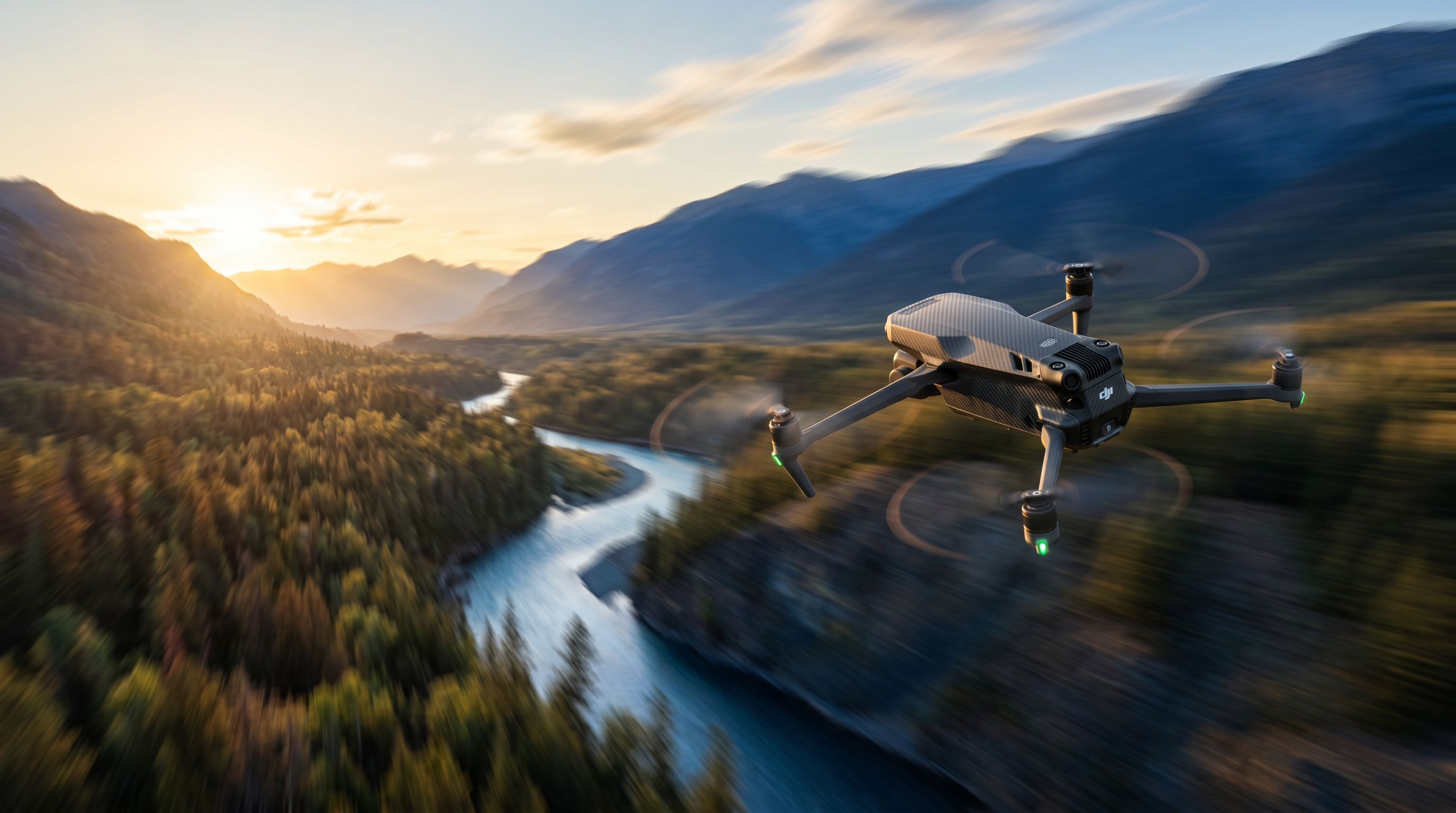
Imagine threading your drone through a narrow canyon at breakneck speed, the wind whipping past as the world blurs below. Thrilling? Absolutely. Legal? That depends on where you fly and how fast you push it. Drone speed limits aren't just bureaucratic red tape—they're the guardrails keeping the skies safe amid a boom in hobbyist flights and commercial ops. From the FAA Part 107 speed limit in the US capping most flights at 100 mph to stricter rules in Europe, understanding drone regulations worldwide is non-negotiable for pilots who want to avoid fines, fly confidently, and push boundaries responsibly.
In this real-time reference guide, we'll break down how fast can a drone fly under key global rules, spotlight recreational versus commercial differences, and dive into FPV racing drone speeds that shatter expectations. We'll even equip you with instant speed conversion tools to toggle between MPH, km/h, knots, and m/s effortlessly. Whether you're a weekend warrior with a DJI Mavic or a pro mapping sites, mastering these limits ensures your next flight soars without a hitch.
FAA Part 107 Speed Limit: The US Standard for Commercial and Recreational Drones
Core Rules Under Part 107
At the heart of US drone speed limits lies FAA Part 107, governing small unmanned aircraft systems (sUAS) under 55 pounds. The headline rule? No faster than 100 mph (about 161 km/h or 87 knots) ground speed. This applies to both commercial operators holding a Part 107 certificate and recreational pilots following The Exception for Recreational Flyers—though rec users must still heed the same velocity cap during operations.
Why 100 mph? It's a balance: fast enough for efficient surveying or inspections, slow enough to maintain control in gusts. Exceed it, and you're risking a violation notice—fines start at $1,100 per infraction. Visual line-of-sight (VLOS) flights demand even tighter reins; high speeds amplify collision risks with birds, aircraft, or structures.
Recreational vs. Commercial Nuances
- Recreational: Same 100 mph max, but stick to FAA's five safety tenets—no flying over people without safeguards, yield to manned aircraft.
- Commercial (Part 107): Adds waivers for night ops or beyond-VLOS, but speed stays firm at 100 mph unless approved otherwise.
Pro tip: Apps like AirMap or B4UFLY provide real-time FAA airspace checks, factoring in speed-compliant zones near airports.
Drone Regulations Worldwide: CAA, EASA, CASA, and Transport Canada Breakdown
UK CAA: Capped for Congested Skies
Across the pond, the UK Civil Aviation Authority (CAA) enforces drone speed limits tailored to categories. Open Category A1/A3 allows up to 38 mph (62 km/h), but A2 close to people drops to 22 mph (35 km/h). Specific Category ops, like filming, require risk assessments—speeds rarely exceed 50 mph without permissions. Geofencing in apps enforces these, halting reckless pushes.
EU EASA: Harmonized but Strict
The European Union Aviation Safety Agency (EASA) standardizes drone regulations worldwide for 27 nations. Open Category mirrors UK limits: 50 km/h (31 mph) default, with sub-categories tightening near crowds. Certified ops (e.g., delivery) can hit 120 km/h under strict conditions. How fast can a drone fly here? Legally, 31 mph keeps most hobbyists compliant.
Australia CASA: Wide Open Spaces, Measured Speeds
Australia's Civil Aviation Safety Authority (CASA) sets drone speed limits at 100 km/h (62 mph) for sub-2kg drones in standard ops. ReOC (ReOC) certified commercial flights mirror this, with no-fly zones around airports amplifying caution. Aussie pilots love the outback freedom, but speed adherence prevents mid-air mishaps.
Transport Canada: Knots and Caution
Transport Canada aligns closely with FAA: 87 knots (100 mph / 161 km/h) max for Basic and Advanced Operations. Recreational pilots under the Standard 901 must yield and stay VLOS, while advanced certs allow BVLOS at controlled speeds. Northern vastness tempts speed demons, but radar near airports enforces limits.
Globally, patterns emerge: 60-100 mph ceilings prioritize safety, with commercial ops demanding certs and rec flights leaning on common sense.
Consumer Drones: Real-World Speeds from Mavic 3 to Autel EVO and DJI FPV
Your gear sets practical bounds within regs. DJI Mavic 3 tops at 47 mph (76 km/h) in Sport mode—Cine mode caps lower for stability. Autel EVO series pushes 45 mph (72 km/h), prioritizing rugged builds. DJI FPV? A beast at 87 mph (140 km/h) in Manual mode, flirting with FAA limits—perfect for immersive flights but demanding skill.
- Mavic 3: 21 mph normal, 47 mph sport.
- Autel EVO Lite+: 39 mph max.
- DJI FPV: 87 mph—your gateway to racing thrills.
These align with drone speed limits, but firmware geofencing often enforces slower speeds in no-go zones.
FPV Racing Drone Speed: Where Limits Bend and Records Shatter
From Tracks to World Records
FPV racing flips the script on drone speed limits. Sanctioned events like DRL or MultiGP cap at 120 mph for safety, but custom quads scream past: average race speeds hit 80-100 mph, with pros dipping into 150 mph straights. The Guinness record? 224 mph (360 km/h) by Ryan Lademann's micro-quad—a physics-defying blur.
Racing demands waivers; everyday FPV sticks to regs. It's where hobby meets pro, testing drone regulations worldwide in controlled chaos.
The Physics of Speed Limits: Safety, Geofencing, and Airport Realities
Speed isn't arbitrary. At 100 mph, stopping distance balloons—think a drone as a 5-pound projectile with zero reaction time. Aerodynamics kick in: drag force squares with velocity (F_d = ½ρv²CdA), making control treacherous in turbulence. Collision energy? Kinetic scales with v², turning a bird strike fatal.
Geofencing in DJI Fly or Autel apps auto-throttles near airports (5-10 mile buffers) or crowds, enforcing regs programmatically. Airports amplify this: Class B/C airspace demands 0 mph drones, period.
Speed limits save lives by engineering human error out of the equation—one gust at 100 mph can spell disaster.
Instant Speed Conversion: Your Real-Time Reference for MPH, km/h, Knots & m/s
Toggle drone speeds effortlessly with this instant speed conversion chart. Bookmark for mid-flight calcs:
| MPH | km/h | Knots | m/s |
|---|---|---|---|
| 100 (FAA Max) | 161 | 87 | 45 |
| 62 (CASA Max) | 100 | 54 | 28 |
| 47 (Mavic 3 Sport) | 76 | 41 | 21 |
| 200 (FPV Record) | 322 | 174 | 89 |
Quick math: MPH × 1.609 = km/h; MPH × 0.869 = knots. Use online converters for precision—this table's your field-ready real-time reference.
Fly Smart: Wrapping Up Global Drone Speed Mastery
Drone speed limits—from FAA Part 107's 100 mph to EASA's cautious caps—aren't barriers; they're enablers for safer, smarter skies. Whether chasing FPV racing drone speed thrills or commercial precision, respect regs, harness geofencing, and convert speeds instantly. The horizon awaits, but only if you fly within it. Check local NOTAMs, cert up, and launch responsibly. Your next record-breaking flight starts with knowing the line.