Sailing Wind Speed Chart: Knots to MPH & KPH Guide + Beaufort Scale & Reefing Points
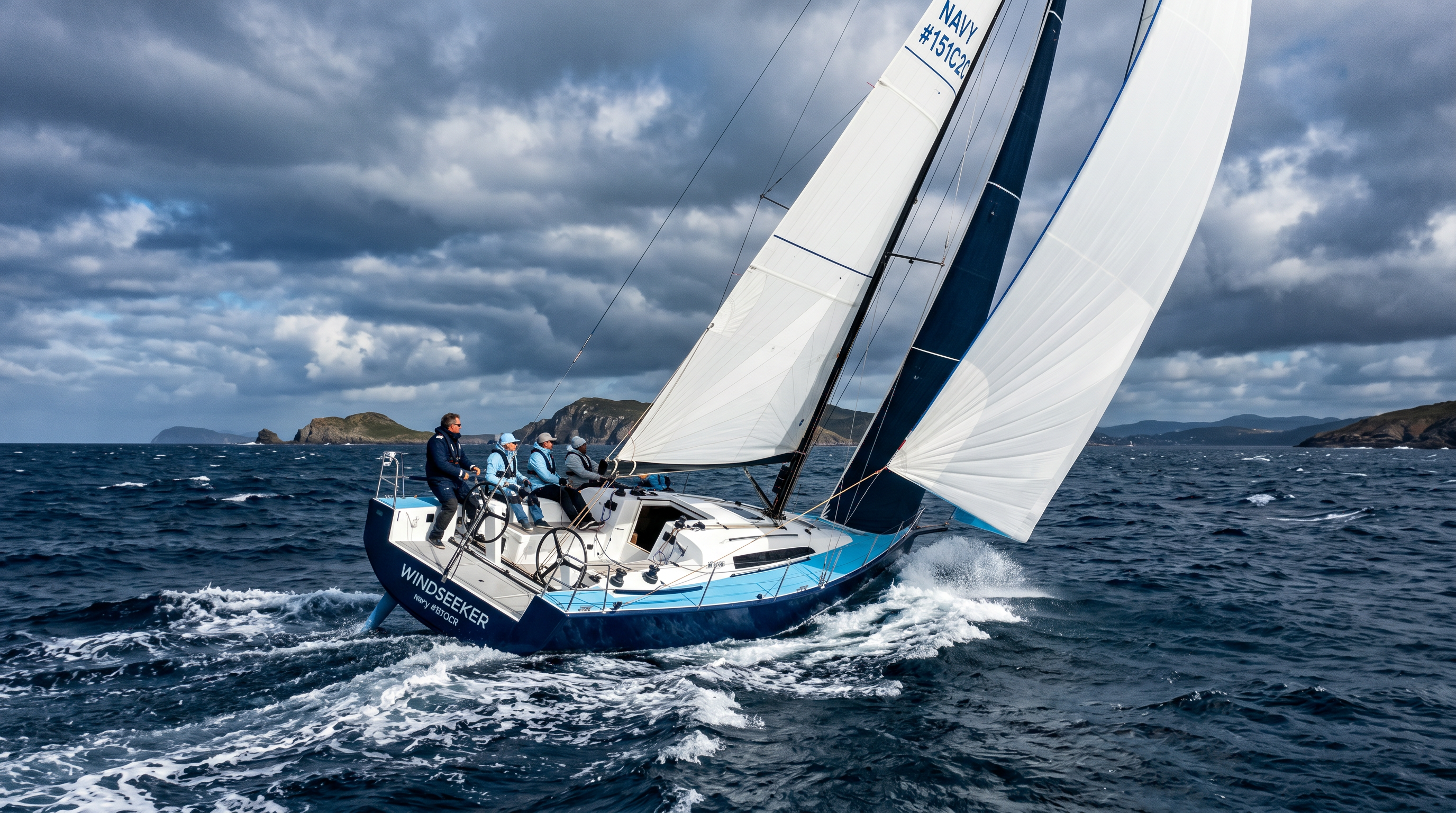
Imagine cresting a wave in perfect 12-knot winds, your sails full and drawing like wings, the hull slicing through turquoise swells. Pure sailing bliss. Now picture those same seas turning feral at 30 knots, rails awash, and a rogue gust threatening to round you up. Wind speed isn't just a number on the forecast—it's the line between exhilaration and emergency. For sailors, boat owners, coastal dwellers, and nautical enthusiasts, mastering wind speeds is non-negotiable. This sailing wind speed chart delivers your instant speed conversion from knots to MPH and KPH, plus Beaufort scale sailing insights, reefing wind speed guidelines, and a marine weather guide tailored for real-world decisions.
Whether you're trimming sails on a dinghy or plotting a coastal cruise, this real-time reference equips you with precise knots to MPH and knots to KPH conversions. Let's dive in—because on the water, knowledge is your best sea anchor.
Sailing Wind Speed Chart: Your Instant Knots to MPH & KPH Guide
No more fumbling with calculators mid-watch. This sailing wind speed chart breaks down key ranges with exact equivalents. We've used precise conversions: 1 knot = 1.15078 MPH and 1.852 KPH. Ranges reflect typical sailing conditions, from glassy calms to survival gales.
| Wind Range (Knots) | Description | MPH | KPH | Sailing Advice |
|---|---|---|---|---|
| 0-5 | Drifting / Glassy | 0-5.8 | 0-9.3 | Light sails only; motor if needed. |
| 5-10 | Light Breeze | 5.8-11.5 | 9.3-18.5 | Ideal for beginners; full main & genoa. |
| 10-15 | Fresh Breeze / Ideal | 11.5-17.3 | 18.5-27.8 | Prime racing winds; hike out on dinghies. |
| 15-20 | Strong Breeze / Exciting | 17.3-23.0 | 27.8-37.0 | First reef point; watch for puffs. |
| 20-25 | Near Gale / Reef Essential | 23.0-28.8 | 37.0-46.3 | Double reef, storm jib; heave-to prep. |
| 25-30 | Gale / Experienced Only | 28.8-34.5 | 46.3-55.6 | Triple reef or trysail; bare poles soon. |
| 30-40 | Storm / Gale Force | 34.5-46.0 | 55.6-74.1 | Survival mode; sea anchor or run. |
| 40+ | Hurricane Force | 46.0+ | 74.1+ | Pray and prepare; dismast risk high. |
Bookmark this as your fastest on the web real-time reference. Print it for the helm—it's saved more than one skipper from a sloppy sail plan.
Beaufort Scale Sailing: Sea States and What They Mean
Beaufort Scale for Sailors
Beaufort scale sailing translates wind force into observable sea states, a system devised in 1805 by Sir Francis Beaufort. It's your visual cue when instruments fail. Force 3 (10-15 knots): Gentle ripples, perfect for spinnakers. Force 5 (20-25 knots): Moderate waves with whitecaps—time to reef. Force 8 (35-40 knots): High seas, tumbling breakers; survival territory.
- Force 0-1: Flat calm; smoke drifts horizontally.
- Force 4: Small waves, crests like white horses; dinghies plane.
- Force 6: Large waves, foam ridges; keelboats labor.
- Force 9+: Phenomenal seas; wreckage floats.
Cross-reference with our chart: Beaufort 5 aligns with 20-25 knots reefing wind speed. Observe, don't guess.
How Different Boats Handle Wind Speeds
Your ride dictates tolerance. Dinghies thrive in 10-20 knots, planing wildly before capsizing. Keelboats shine 15-25 knots, ballast providing stability up to gales. Catamarans? Powerhouses to 25-30 knots with low heeling, but pitchpoling lurks beyond.
- Dinghies: Capsize threshold ~20 knots apparent; trapeze early.
- Keelboats (30-40ft): Reef at 18 knots; double at 25; stable to 35.
- Multihulls: Fly a hull at 15; reef mainsail aggressively post-20 knots.
True Wind vs. Apparent Wind: Trim Smart
True wind is Mother Nature's breath; apparent is what your boat feels, boosted by speed. At 6 knots boat speed on a 10-knot true wind beam reach, apparent jumps to 12 knots. Why care? Sail trim targets apparent—ease sheets too much, and power bleeds. Use a masthead fly or AWA instrument for precision. In 20-knot true, apparent can hit 30+ downwind; flatten that main.
Reefing Wind Speed: When to Strike Sail
Practical Reefing Guide
Reefing wind speed varies by boat and crew, but rules of thumb: First reef at 15-18 knots (17-21 MPH / 28-33 KPH). Second at 22-25 knots. Storm sails beyond 30. Heave-to in gales—it's your best friend. Delay, and a broach becomes a dismasting.
Marine Weather Guide: Reading Forecasts Like a Pro
GRIB files via PredictWind or SailGrib show wind barbs and isobars. Synoptic charts reveal fronts—tight isobars mean gusts. Check swell period too; 10-second swells beat 5-second chop. Apps like Windy deliver knots to KPH overlays. Always add 20% buffer for coastal acceleration.
- Download GRIBs offshore.
- Spot troughs for building breeze.
- Layer with radar for squalls.
Lessons from the Brink: Wind-Driven Disasters
In a notorious 1979 ocean race, Force 10 gales (40+ knots) overwhelmed a fleet. Waves to 50 feet led to multiple capsize and sinkings; crews clung to hulls for hours. Reefing delays and overcanvas sealed fates.
Two decades later, a 1998 long-distance race saw 70-knot blasts. Unreefed boats pitchpoled; six lives lost, scores injured. Survivors cited ignored forecasts and apparent wind underestimation. These echo: respect the chart, reef early.
Fair Winds and Safe Passages
This sailing wind speed chart—your knots to MPH, knots to KPH lifeline—is more than data; it's a whisper from seasoned skippers. Heed the Beaufort, trim for apparent, reef proactively. The sea rewards the prepared. Next time you sheet in, feel the rhythm. Sail smart, stay safe.