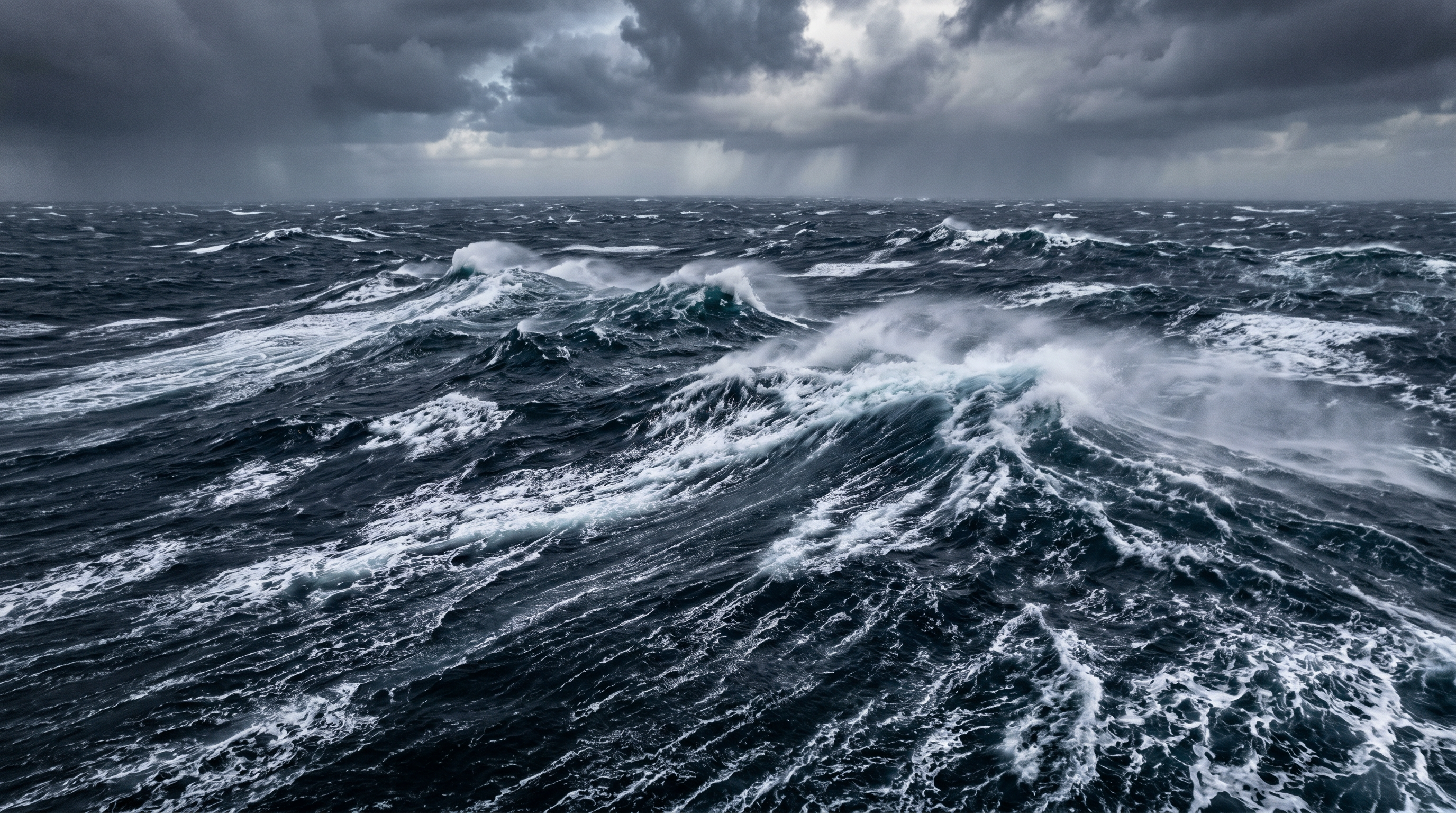
Wind Speed to Wave Height: Complete Guide to Douglas Sea Scale, Beaufort Scale, Fetch & Maritime Safety
Picture this: you're a boater slicing through calm waters at dawn, the horizon a mirror of serenity. Then, a gust whispers across the bay, and within hours, the sea transforms into a churning beast. How does that wind speed dictate the wave height crashing toward you? For boaters, fishermen, ocean enthusiasts, and meteorology buffs, understanding wind speed to wave height dynamics isn't just trivia—it's the line between a thrilling outing and a fight for survival.
This comprehensive guide dives deep into the Beaufort Scale, Douglas Sea Scale, fetch length, and wave dynamics. We'll decode sea states, offer practical visual estimation tips, and prioritize maritime safety across vessel types. Whether you're sailing, fishing, or chasing storms, arm yourself with knowledge to read the ocean like a seasoned captain.
The Beaufort Scale: Wind Speed's Time-Tested Yardstick
Developed in 1805 by Sir Francis Beaufort, this scale revolutionized how we describe wind at sea. It correlates wind speed (in knots, MPH, or KPH) with observable effects on land and sea, from gentle breezes to devastating hurricanes. Each force level, from 0 to 12, paints a vivid picture—perfect for quick assessments without instruments.
Why does it matter for wave dynamics? Stronger winds generate larger waves, but the scale ties directly to sea states, helping predict when whitecaps will foam or spray will blind you.
Beaufort Scale Quick Reference
| Force | Knots | MPH | KPH | Sea Description |
|---|---|---|---|---|
| 0 | <0.5 | <0.6 | <1 | Calm (glassy) |
| 3 | 7-10 | 8-12 | 13-19 | Small waves, crests like scales |
| 5 | 17-21 | 19.6-24.2 | 31.6-38.9 | Moderate waves (4-8 ft / 1.25-2.5 m) |
| 8 | 34-40 | 39-46 | 63-74 | High waves (13-20 ft / 4-6 m), sea heaps up |
| 12 | >64 | >74 | >118 | Phenomenal (>45 ft / 14 m) |
Use this as your knots to mph converter: multiply knots by 1.15078 for MPH. At Force 4 (11-16 knots / 12.7-18.4 MPH), gentle breeze kicks up ripples—ideal for casual sailing.
Douglas Sea Scale: Precision for Sea States 0-9
While Beaufort measures wind, the Douglas Sea Scale zeroes in on wave height and sea states, from flat calm (State 0) to mountainous chaos (State 9). Developed post-WWII, it's a staple for mariners linking wind speed to wave height.
Douglas Sea Scale Breakdown
- State 0: Calm (0 in / 0 cm) – Mirror-like, perfect for novices.
- State 2: Smooth (1.6-3.3 ft / 0.5-1 m) – Slight ripples, fishing heaven.
- State 4: Moderate (6.6-13.1 ft / 2-4 m) – Whitecaps frequent; small craft caution.
- State 6: Rough (13.1-20 ft / 4-6 m) – Large waves, reduced visibility.
- State 9: Phenomenal (>45 ft / >14 m) – Survival conditions only.
Beaufort Force 6 (22-27 knots / 25.3-31.1 MPH / 40.8-50 KPH) often aligns with Douglas State 4-5, where waves hit 8-13 ft (2.5-4 m). But remember: full development takes time and space.
Fetch Length and Wind Duration: The Hidden Wave Builders
Waves don't explode overnight. Fetch length—the uninterrupted distance wind blows over water—fuels growth. Short fetch (e.g., bay)? Waves stay choppy, low. Long fetch (open ocean, 100+ miles)? Swells build to monsters.
Wind duration amplifies this. At 20 knots over 12 hours with 50-mile fetch, expect 6-10 ft (1.8-3 m) waves. Triple the fetch or time, and heights double. Fishermen in fetch-limited coastal zones breathe easier than ocean crossers.
In the fetch-free Gulf of Mexico versus the endless North Atlantic, the same gale yields wildly different sea states.
Visual Estimation Tips: Read the Sea Without Gadgets
Instruments fail, but your eyes don't. Spot whitecaps at ~12 knots (13.8 MPH / 22.2 KPH)—Beaufort 3-4, Douglas 2-3, waves 2-4 ft (0.6-1.2 m). Foam streaks streak across crests at ~18 knots (20.7 MPH / 33.3 KPH)—Force 5, 4-8 ft (1.2-2.5 m).
At 30+ knots (34.5 MPH / 55.6 KPH), spray flies from crests—Force 7+, 10-16 ft (3-5 m). Pro tip for sailors: Compare wave height to your boat's freeboard. Twice as tall? Head for shelter.
- Glassy to ripples: <10 knots
- White horses galloping: 15-20 knots
- Sea boiling with foam: 25+ knots
Maritime Safety: Vessel Types and Sea State Limits
Safety hinges on your rig. Small fishing boats cap out at Douglas 3 (4-6 ft / 1-2 m)—beyond, broaching risks capsize. Sailboats shine in State 4-5 (up to 13 ft / 4 m) with reefed sails, but powerboats struggle in following seas.
Large ships handle State 7 (20-30 ft / 6-9 m), but rogue waves—steep freaks twice surrounding height—claim even them. The 62 ft (19 m) North Atlantic record reminds us: no vessel is invincible.
Vessel Safety Guidelines
- Small craft (<30 ft): Avoid >Douglas 3; monitor VHF for small craft advisories.
- Mid-size yachts: State 5 OK heeling 30°; deploy drogue in beam seas.
- Commercial ships: State 8+ viable, but slow to 5 knots in 30+ ft swells.
Rogue Waves, Records, and Modern Buoy Tech
Rogue waves, once myth, now measured: 100 ft (30 m) monsters from wave interference. The Draupner platform logged 84 ft (25.6 m) in 1995. North Atlantic's 62 ft (19 m) draft remains iconic.
Enter buoys: NOAA's network beams real-time wind speed to wave height, significant wave height (average of highest third), and dominant period. Apps like Windy or PredictWind fuse satellite, buoy, and ECMWF models for pinpoint forecasts. Sailors: Cross-check with local knowledge.
Knots to MPH Converter and Essential Cheat Sheet
Quick math: Knots × 1.15078 = MPH. × 1.852 = KPH. Feet × 0.3048 = Meters.
Cheat Sheet: 10 knots = 11.5 MPH / 18.5 KPH → 2-4 ft waves (short fetch).
25 knots = 28.8 MPH / 46.3 KPH → 8-12 ft (12+ hr fetch).
40 knots = 46 MPH / 74 KPH → 16-25 ft peril.
Master the Seas: Your Takeaway
From Beaufort's breezes to Douglas's depths, fetch length, duration, and visuals unlock wind speed to wave height. Respect limits, heed buoys, and let experience sharpen your eye. The ocean rewards the prepared—stay safe, chase wisely, and let the waves carry you home.