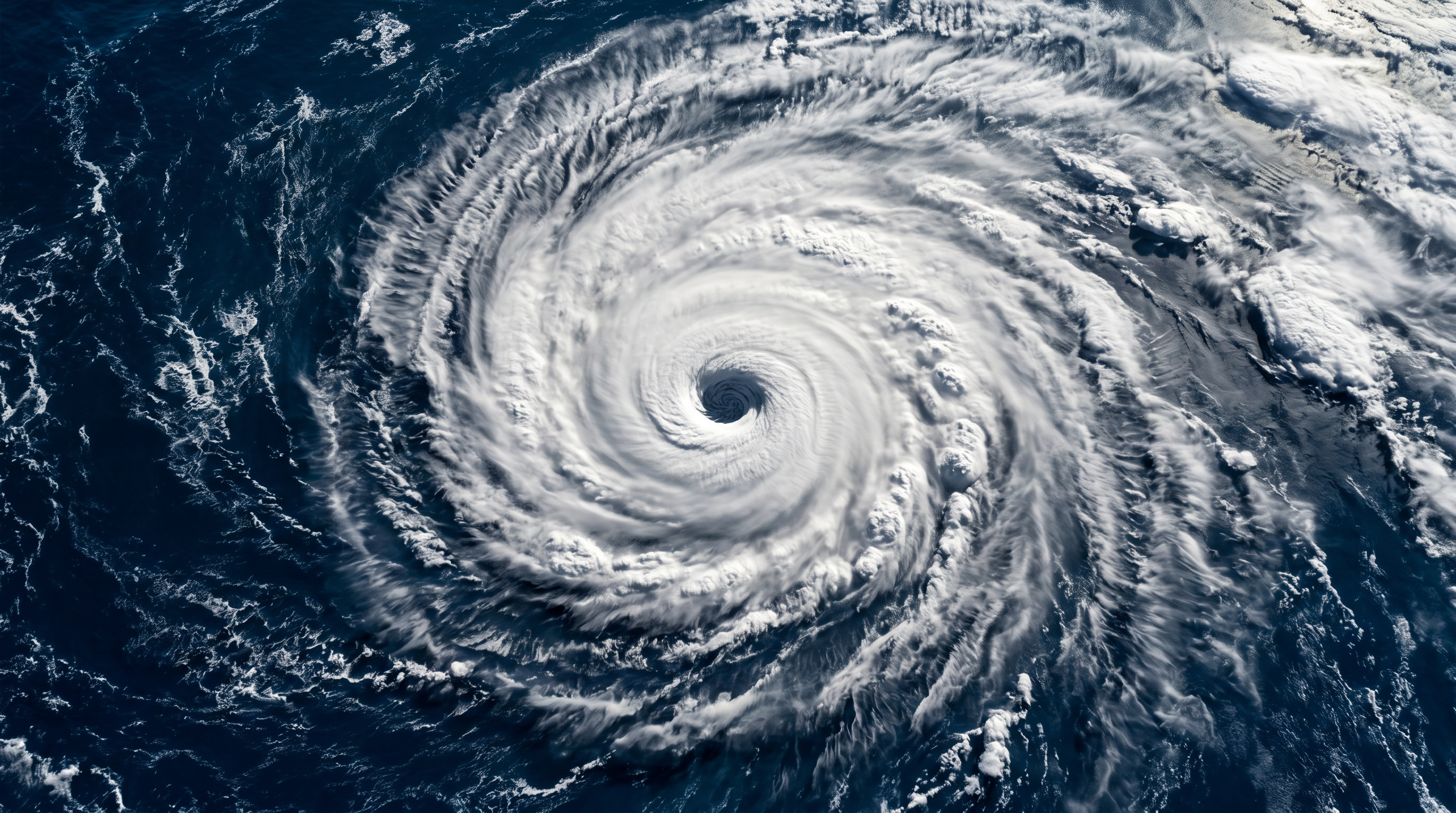
Hurricane Wind Speeds Unleashed: Saffir-Simpson Scale Breakdown, Record-Breaking Patricia, MPH to KPH Conversions & Extreme Weather Insights
Imagine standing on a windswept beach as the horizon darkens, the air thick with salt and menace. A roar builds—not thunder, but the relentless howl of hurricane wind speeds clocking over 150 MPH (241 KPH / 130 knots). This isn't fantasy; it's the raw power of nature quantified by the Saffir-Simpson scale, a system that turns chaos into categories, helping coastal residents and weather enthusiasts grasp the escalating threat. In this deep dive, we break down hurricane categories, spotlight record-breakers like Hurricane Patricia, and equip you with instant speed conversions from MPH to KPH and knots to MPH for true speed context—because understanding the numbers can be a lifesaver.
Decoding the Saffir-Simpson Scale: Hurricane Categories Explained
The Saffir-Simpson scale classifies hurricanes based on sustained wind speeds, measured as a 1-minute average at 10 meters above the surface. Developed in 1971 by Herbert Saffir and Robert Simpson, it ranges from Category 1 to 5, each step amplifying devastation. For international travelers and global audiences, we've included MPH to KPH conversions alongside knots to MPH equivalents, courtesy of instant speed conversion tools like SpeedShift Converter, ensuring precise speed context no matter your location.
Category 1: 74-95 MPH (119-153 KPH / 64-82 knots) – Very Dangerous Winds Begin
These are the entry-level hurricanes, packing winds strong enough to peel shingles from roofs, rip vinyl siding loose, and snap gutters like twigs. Trees sway violently, and power outages can last days. It's a wake-up call: even Category 1 demands respect, with debris becoming projectiles.
Category 2: 96-110 MPH (154-177 KPH / 83-95 knots) – Flying Debris Turns Deadly
Here, the storm escalates. Extensive damage to roofs occurs as winds tear off large sections. Flying debris—branches, signs, roofing materials—poses a lethal risk, shattering windows and piercing walls. Manufactured homes crumple, and evacuations become urgent for coastal residents.
Category 3: 111-129 MPH (178-208 KPH / 96-112 knots) – Major Hurricane Territory
Crossing into major hurricane status, these beasts destroy mobile homes entirely and snap large trees like matchsticks. Low-lying structures suffer concrete damage, flooding compounds the misery, and infrastructure buckles under the assault.
Category 4: 130-156 MPH (209-251 KPH / 113-136 knots) – Catastrophic Devastation Looms
Well-constructed homes lose roofs and exterior walls, reduced to skeletal frames. High-rises sway, and the landscape transforms—trees uprooted, power poles splintered. Recovery takes months, with total economic losses soaring into billions.
Category 5: 157+ MPH (252+ KPH / 137+ knots) – Total Annihilation
The pinnacle of terror: complete roof failure, walls collapsing inward. Residential areas become uninhabitable for weeks or months, akin to a high-end tornado outbreak across vast swaths. High percentages of framed homes are obliterated.
The Record Breaker: Hurricane Patricia's Unprecedented Winds
In October 2015, Hurricane Patricia etched its name in infamy, exploding to sustained winds of 215 MPH (345 KPH / 186 knots)—the strongest ever recorded in the Western Hemisphere. Forming off Mexico's coast, it underwent rapid intensification fueled by record-warm Pacific waters, peaking with pressures dipping to 872 millibars. Though it weakened before landfall, Patricia's hurricane wind speeds offered stark speed context: imagine a Category 5 on steroids, capable of hurling cars like confetti.
Using instant speed conversion, that's over twice Category 1 force. Patricia reminds us why the Saffir-Simpson scale caps at 5—nature defies neat boxes.
Storm Surge: Wind's Deadliest Partner
Hurricane wind speeds don't kill alone; they drive massive storm surges inland. Category 5 gales pile water 20 feet high, inundating coastal zones. Often the deadliest element, surges drowned thousands in Hurricane Katrina. Winds push seawater onto shore, amplified by low pressure—speed context here is literal life-or-death.
Hurricane Hunters: Flying into the Fury
NOAA and Air Force Reserve pilots, the hurricane hunters, plunge WP-3D Orions into the eye. Dropping GPS sondes and radar-mapping, they measure precise sustained wind speeds and pressures. It's high-stakes aviation: turbulence tosses planes like toys, yet their data refines forecasts, saving lives. Picture the cockpit shuddering at 150 MPH (241 KPH / 130 knots) inside the eyewall—true heroes providing real-time speed context.
Sustained Winds vs. Gusts: The Measurement That Matters
Saffir-Simpson uses 1-minute sustained winds for consistency, unlike gusts (3-second peaks) that can spike 50% higher. A Category 4's 140 MPH sustained might gust to 200+ MPH (322+ KPH / 174+ knots). This distinction offers critical speed context—gusts cause spot damage, sustains dictate overall category.
Climate Change: Supercharging Extreme Weather
Warmer oceans, absorbing excess heat, fuel rapid intensification. Storms like Patricia draw more energy, achieving higher peak hurricane wind speeds faster. Sea surface temperatures up 1-2°C correlate with stronger Categories 4-5. While not every hurricane intensifies, the trend heightens risks for coastal residents worldwide.
Historic Landfalls: Lessons from Labor Day and Camille
The 1935 Labor Day Hurricane slammed the Florida Keys with 185 MPH (298 KPH / 161 knots) gusts, deadliest U.S. storm ever. Camille in 1969 hit Mississippi at 190 MPH (306 KPH / 165 knots) sustained, scouring land bare. These etched the Saffir-Simpson scale's relevance into history.
The 'Feel' of Hurricane Wind Speeds: Sensory Speed Context
- 74 MPH (119 KPH / 64 knots): Hard to walk against; sounds like a freight train.
- 100 MPH (161 KPH / 87 knots): Roaring jet engine; doors strain.
- 130 MPH (209 KPH / 113 knots): Building groans; windows flex like drumheads.
- 157+ MPH (252+ KPH / 137+ knots): Apocalyptic howl; structures scream in protest.
These sensations underscore why conversions matter—whether MPH to KPH or knots to MPH, instant speed conversion bridges the gap for preparedness.
Master Hurricane Speeds with Instant Conversions
For weather enthusiasts and travelers, tools like SpeedShift Converter deliver MPH to KPH and knots to MPH on demand. Here's a quick reference:
| Category | MPH | KPH | Knots |
|---|---|---|---|
| 1 | 74-95 | 119-153 | 64-82 |
| 2 | 96-110 | 154-177 | 83-95 |
| 3 | 111-129 | 178-208 | 96-112 |
| 4 | 130-156 | 209-251 | 113-136 |
| 5 | 157+ | 252+ | 137+ |
Armed with this Saffir-Simpson scale breakdown and speed context, face extreme weather informed. The next roar on the horizon? You'll know its fury—and how to convert it instantly.