What Wind Speed Causes Damage? A Practical Homeowner's Guide to Every Threshold
Why Wind Speed Matters: Your Home's First Line of Defense
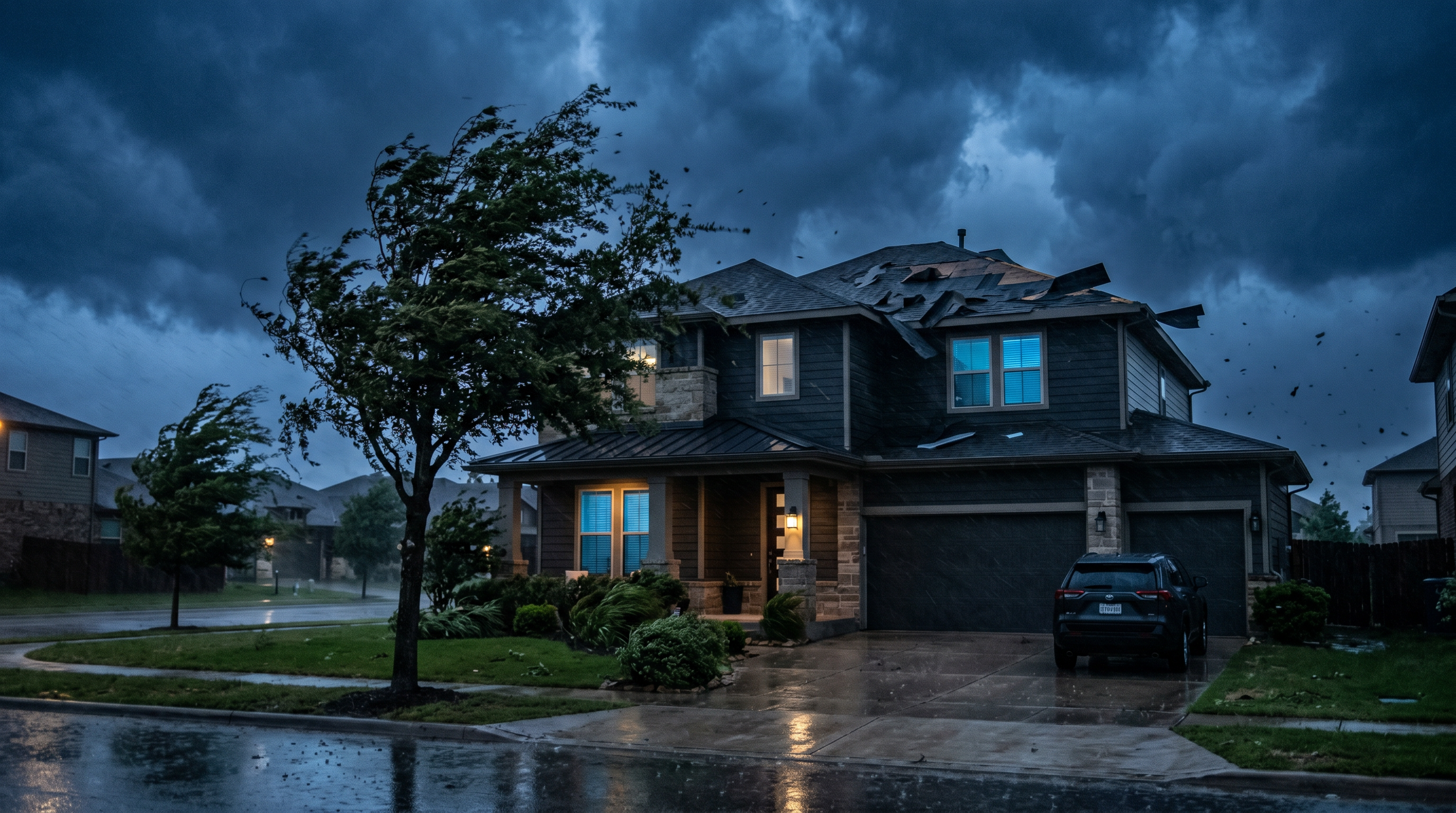
Picture this: dark clouds swirl overhead, rain lashes your windows, and the wind howls like a freight train barreling through your neighborhood. As a homeowner or property manager, that moment of uncertainty hits hard—will the roof hold? Will trees crash into the garage? Understanding wind speed damage thresholds isn't just trivia; it's your real-time reference for protecting what matters most. In an era of intensifying storms, knowing the exact MPH or KPH when trouble brews can mean the difference between minor cleanup and major heartbreak.
This guide breaks it down with precision—every threshold, from gentle gusts to catastrophic gales. We'll cover MPH to KPH conversions, the timeless Beaufort Scale, National Weather Service alerts, driving dangers, and even wind speed insurance coverage tips. Arm yourself with speed context, and storms lose their terror.
Wind Speed Damage Thresholds: MPH, KPH, and Knots at a Glance
Damage doesn't strike suddenly; it escalates with wind speed. Below is your essential table of wind speed damage thresholds, calibrated for storm safety for homeowners. Use this as your Instant Speed Conversion chart—MPH for U.S. forecasts, KPH for international, and knots for marine or aviation buffs. Each range details observable effects, helping you gauge risk from your porch.
| Wind Speed (MPH) | KPH | Knots | Damage & Safety Effects |
|---|---|---|---|
| 20-30 MPH | 32-48 KPH | 17-26 Knots | Small branches sway, leaves whip around. Wind felt strongly on face; progress on bikes slows. No real property threat yet. |
| 30-40 MPH | 48-64 KPH | 26-35 Knots | Whole trees in motion, walking against wind gets tough. Loose objects like patio chairs scoot across lawns. Minor inconvenience stage. |
| 40-50 MPH | 64-80 KPH | 35-43 Knots | Small branches snap, umbrellas shred instantly. Shingles may lift slightly on older roofs. Time to secure outdoors. |
| 50-60 MPH | 80-97 KPH | 43-52 Knots | Structural damage begins: Shingles peel off, siding cracks. Windows strain. Evacuate if in vulnerable areas. |
| 60-75 MPH | 97-121 KPH | 52-65 Knots | Large trees uproot, roofs lose sections. Power lines snap. Major home repairs likely—hunker down inside. |
| 75-90 MPH | 121-145 KPH | 65-78 Knots | Hurricane-force winds: Mobile homes demolished, standard roofs stripped. Debris flies like missiles. |
| 90-110 MPH | 145-177 KPH | 78-96 Knots | Roofs fail completely, walls buckle. Well-built homes survive but scarred. Catastrophic for outbuildings. |
| 110-130 MPH | 177-209 KPH | 96-113 Knots | Widespread destruction: Frame homes shift off foundations. Survival depends on shelter quality. |
| 130-156+ MPH | 209-251+ KPH | 113-136+ Knots | Catastrophic devastation: Total wipeout of structures. Inland hurricanes or major derechos. Rebuild from scratch. |
These thresholds provide clear speed context. Gusts—the sudden spikes—often amplify damage beyond sustained speeds, so factor in bursts during storms.
The Beaufort Scale: Your Historical Real-Time Reference
Developed in 1805 by Sir Francis Beaufort, this scale rates wind from 0 (calm) to 12+ (hurricane). It's a visual benchmark tying observations to speeds—no gadgets needed. Modern meteorology overlays precise MPH/KPH:
- Beaufort 5 (19-24 MPH / 31-39 KPH): Small trees sway—your cue to check fences.
- Beaufort 7 (32-38 MPH / 52-61 KPH): Whole trees bend; driving caution advised.
- Beaufort 10 (55-63 MPH / 89-102 KPH): Chimneys topple, shingles fly—storm mode activated.
- Beaufort 12 (64+ MPH / 103+ KPH): Devastation; matches our higher thresholds.
Use the Beaufort Scale for quick assessments when apps lag. It's reassuringly reliable, bridging eras with your wind speed damage thresholds.
NWS Warnings vs. Advisories: Know When to Act
High Wind Watch: Prepare (24-48 Hours Out)
Conditions favor gusts over 40 MPH. Stock up, trim branches—proactive homeowner mode.
High Wind Warning: Imminent (Immediate Action)
Gusts 58+ MPH expected. Shelter in place; expect power outages and debris.
Wind Advisory: Caution (30-50 MPH Gusts)
Secure loose items, delay travel. Less severe but still packs a punch for lightweight structures.
Heed these for storm safety for homeowners—they're tailored to regional risks.
Wind Speed and Driving Safety: Thresholds for the Road
Your car becomes a sail above certain speeds. At 30-40 MPH crosswinds, SUVs fishtail; semis sway perilously. By 50-60 MPH, high-profile vehicles risk rollover—pull over if trees dance wildly.
- 40 MPH+: Reduce speed 10-20%; grip wheel firmly.
- 60 MPH+: Avoid bridges, overpasses—wind tunnels amplify force.
- Pro Tip: Apps like Waze flag wind-impacted roads for safer routing.
Context-aware driving saves lives amid these wind speed damage thresholds.
Wind Damage Insurance Coverage: Document with Speed Context
Standard homeowners policies cover wind damage—roofs, siding, trees on structures—but not flood. Hurricane deductibles (1-5% of home value) kick in above 74 MPH. Claim success hinges on proof:
- Log NWS reports or personal anemometer readings for wind speed insurance coverage.
- Photos/videos timestamped during peak gusts.
- Neighbor testimonies for widespread events.
Review your policy annually; wind mitigation credits (up to 50% discounts) reward storm shutters and clips. Peace of mind, insured.
Stay Ahead of the Storm: Your Takeaway Toolkit
You've got the thresholds, scales, and strategies—now storms are predictable adversaries. Reassuringly, most homes weather 50-60 MPH with prep: strapped roofs, cleared yards, stocked kits.
Master these, and wind loses its whisper of dread.
Mental Math Trick for Instant Speed Conversion: MPH × 1.6 = KPH (e.g., 50 MPH ≈ 80 KPH). Knots? Divide MPH by 1.15. Bookmark this for your phone's real-time reference—speed context at your fingertips.
Stay vigilant, stay safe. Your home stands stronger informed.